




Feel Like You’re Flying

About

From Gaza To Sweden

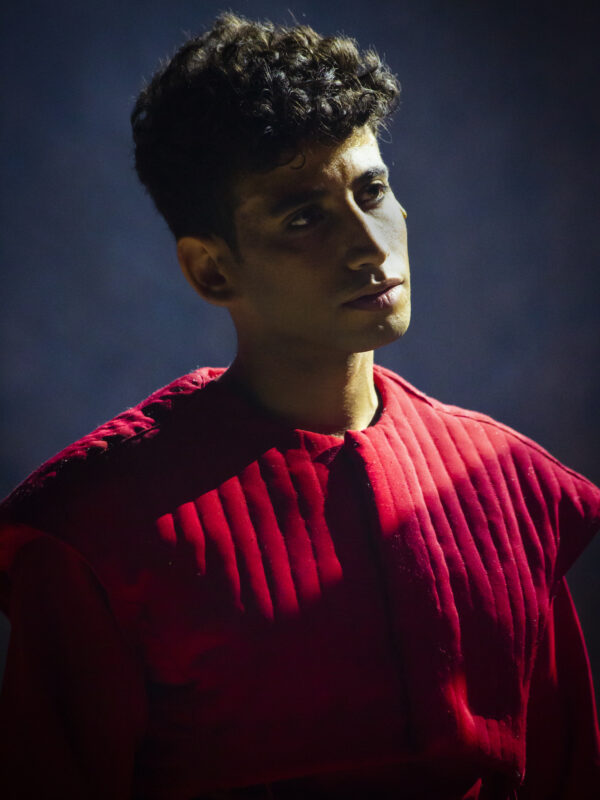
Ahmed Matar, known as “Matar,” is a Palestinian parkour athlete from the Gaza Strip, born on March 19, 1996.

At the age of nine, Matar discovered parkour after watching two young men, Mohamed AlJakhbir and Abdallah Inshasi, practicing flips near his martial arts training. Inspired by their movements, he decided to try the sport—a decision that would shape his life.

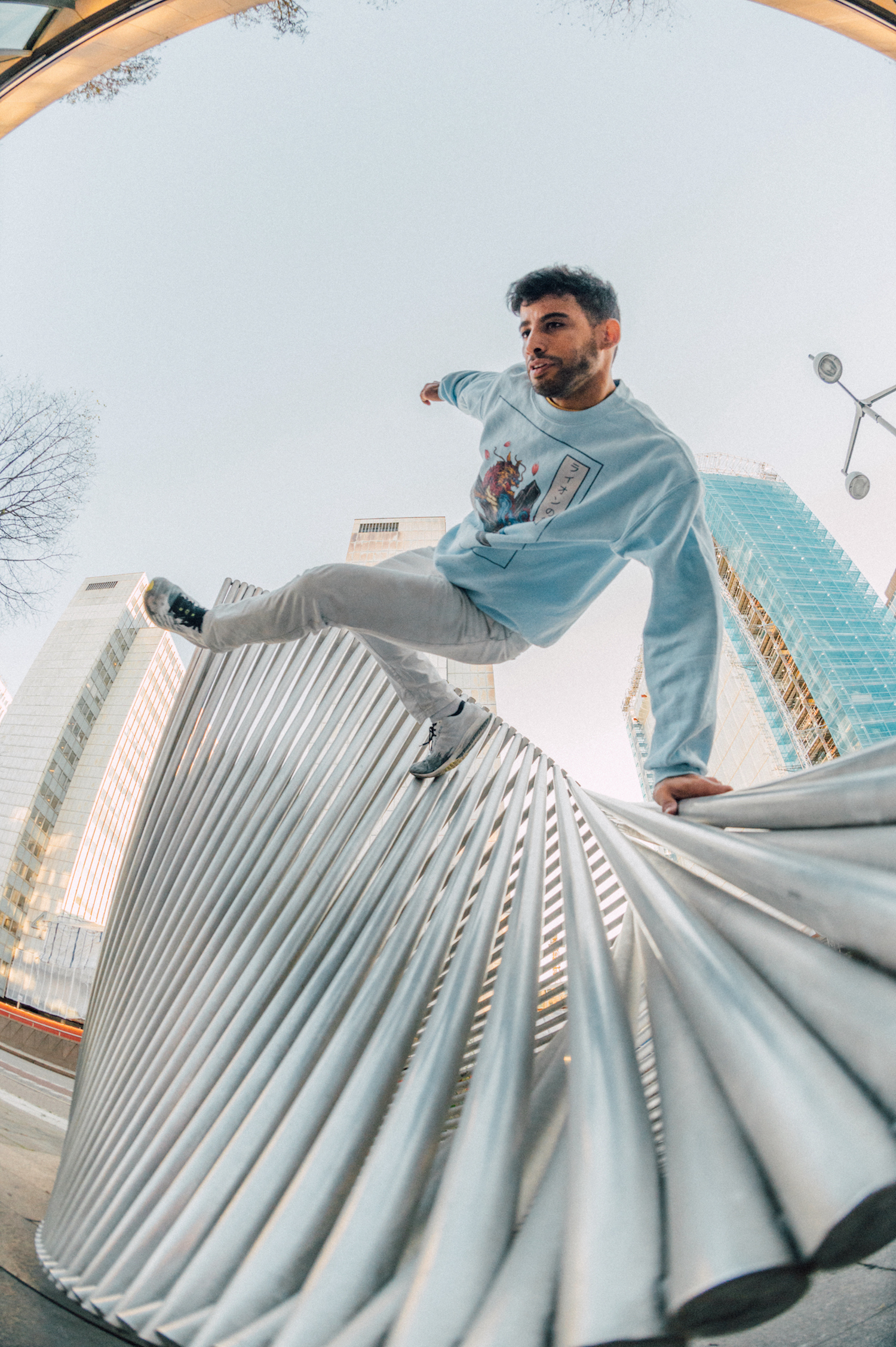
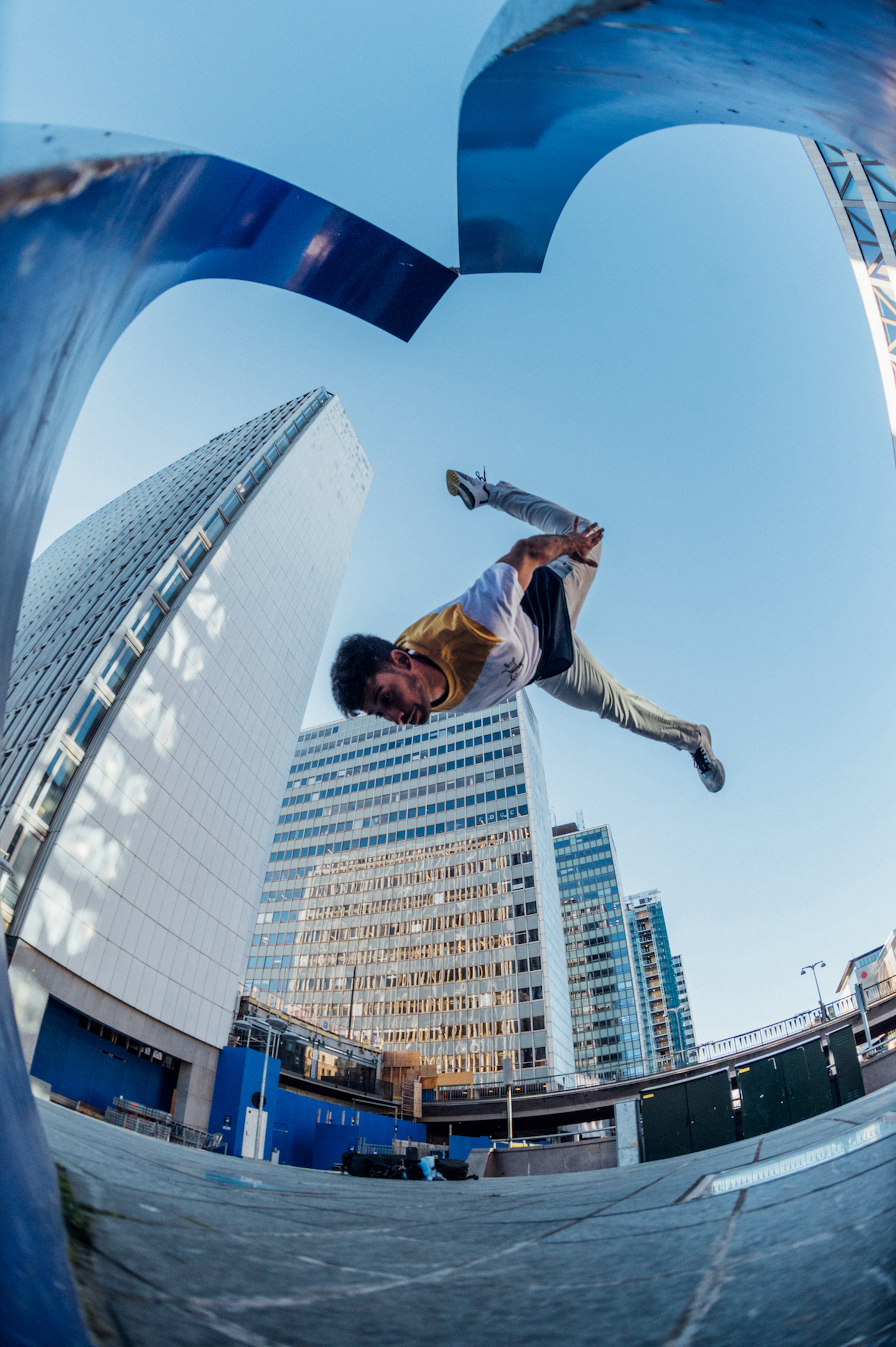
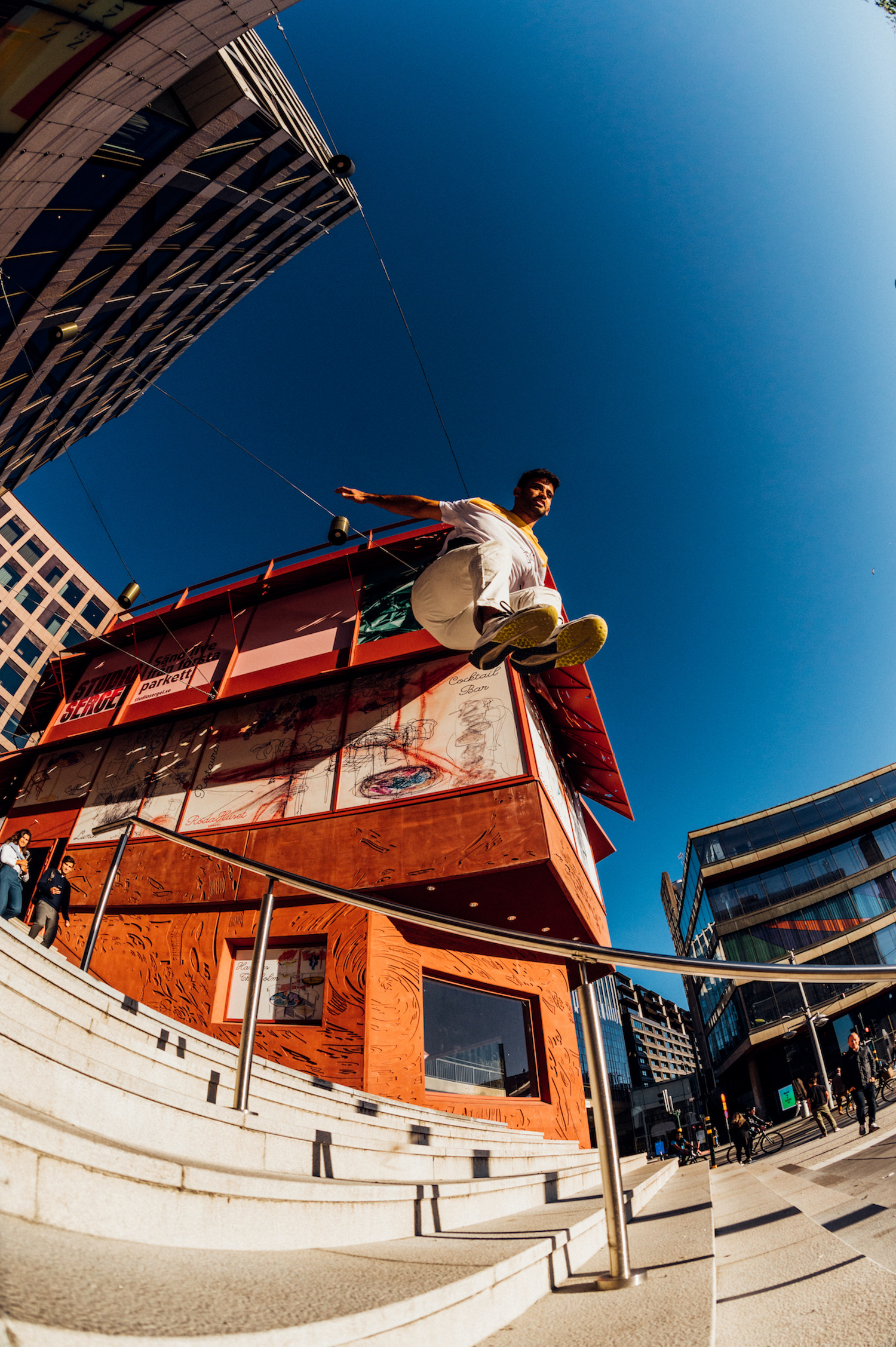
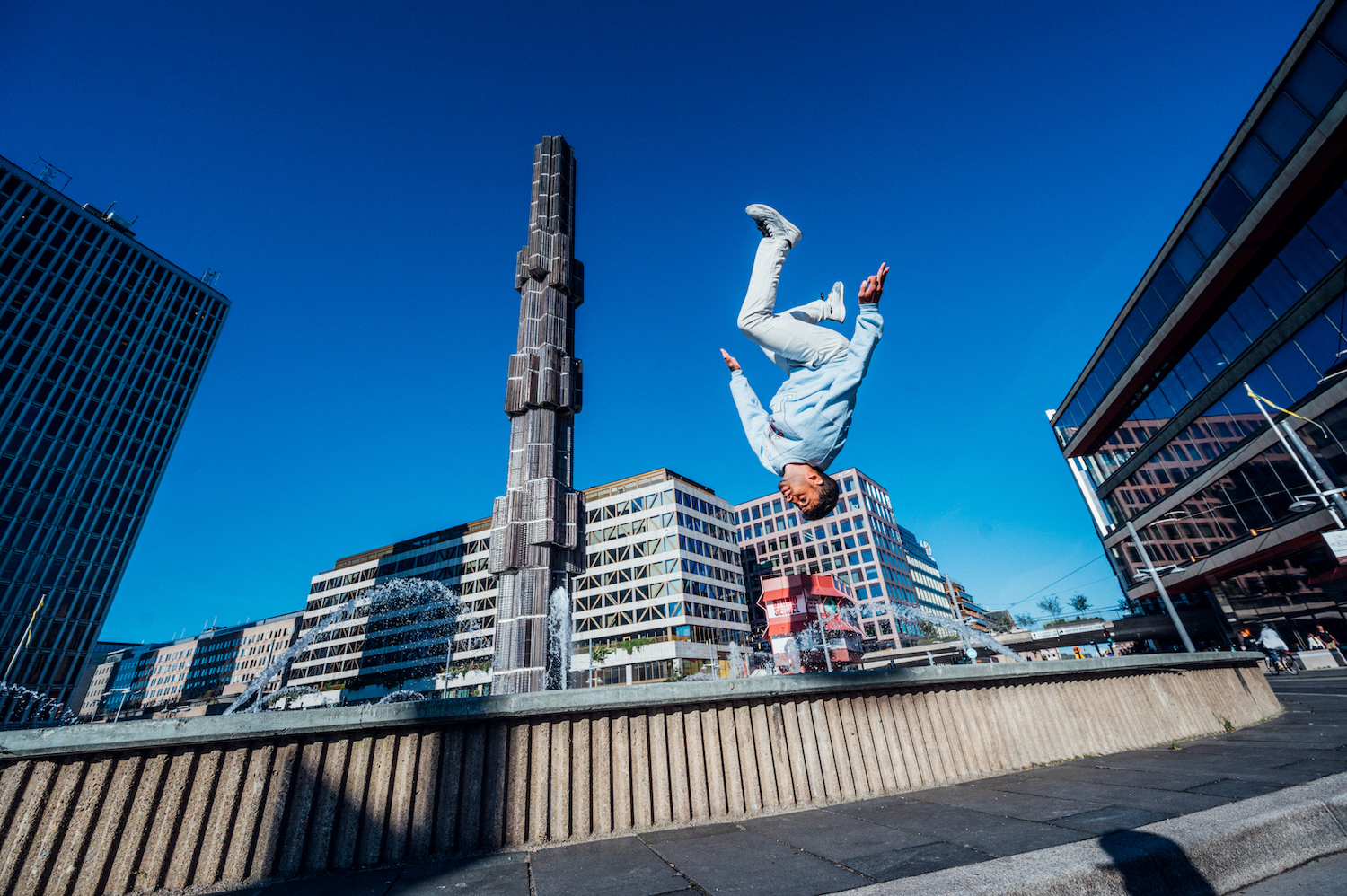
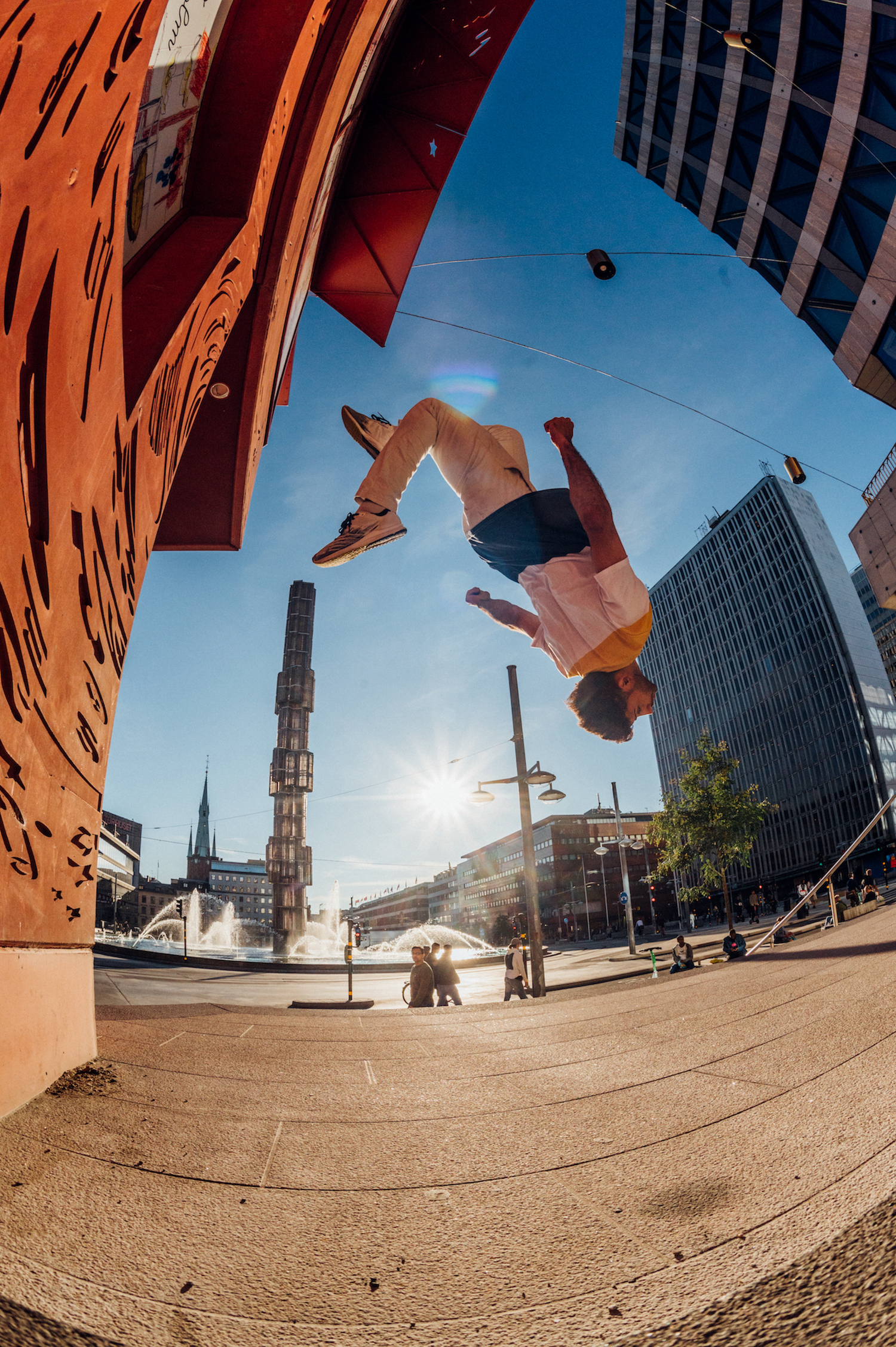
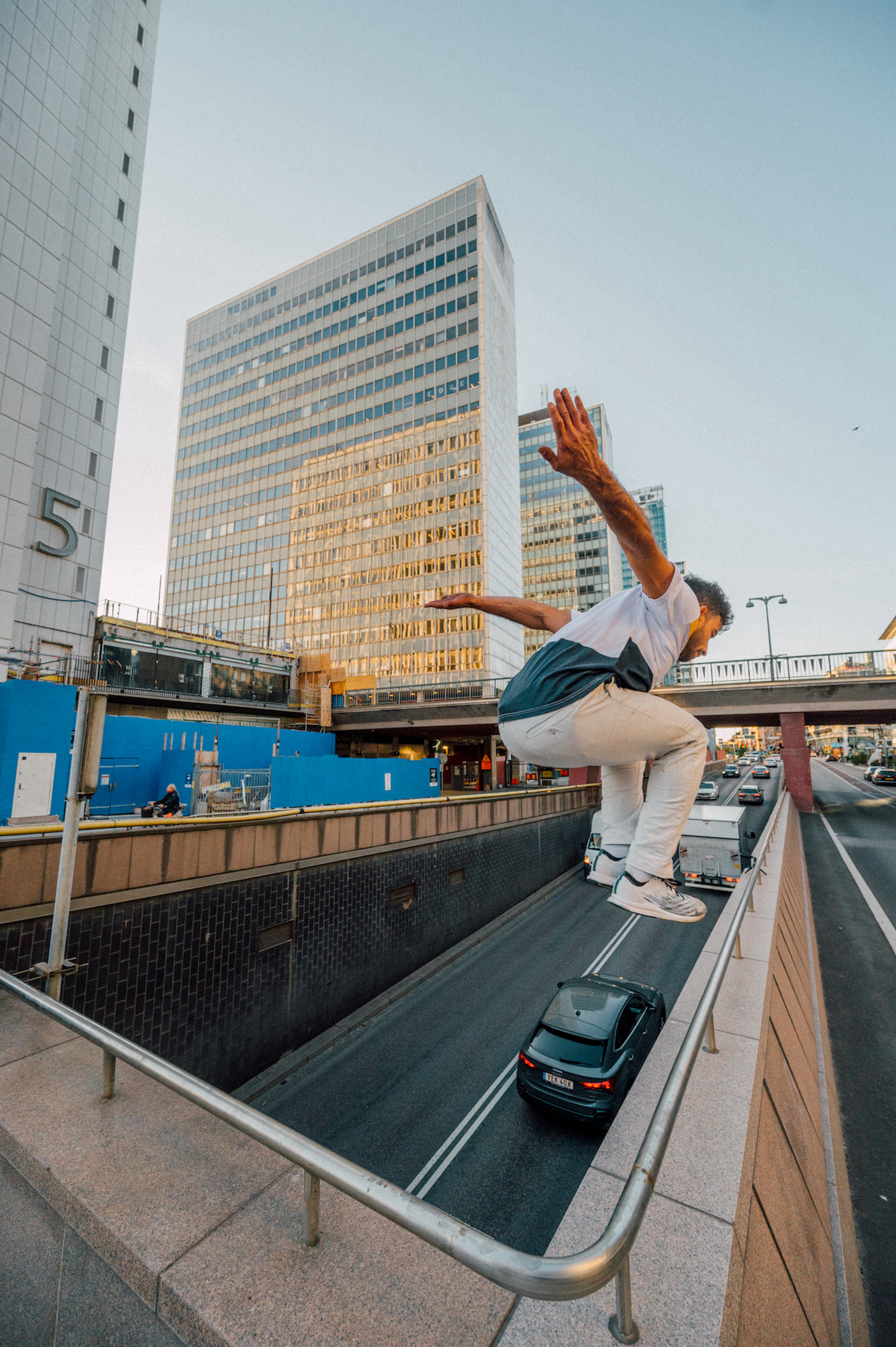
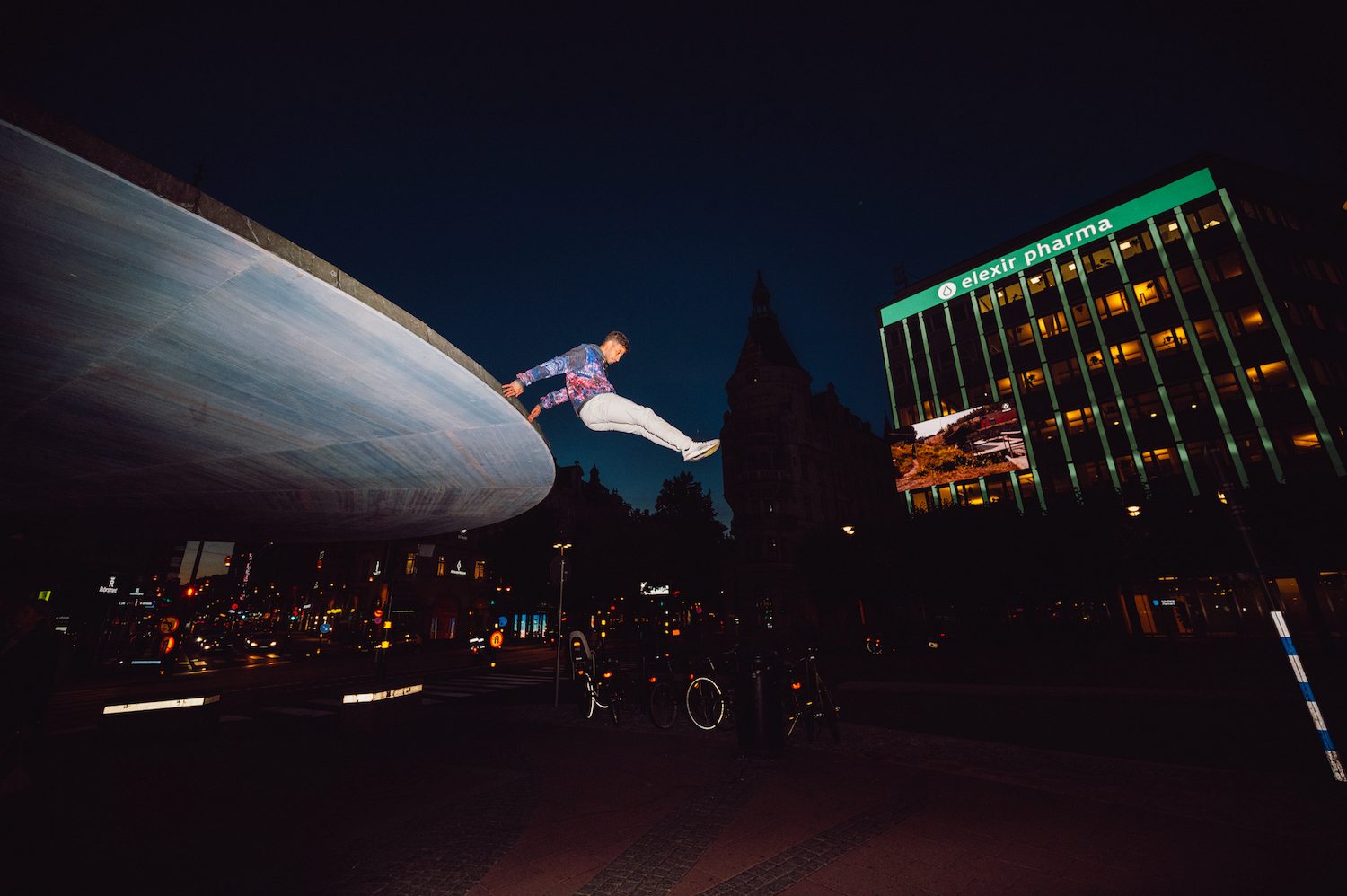
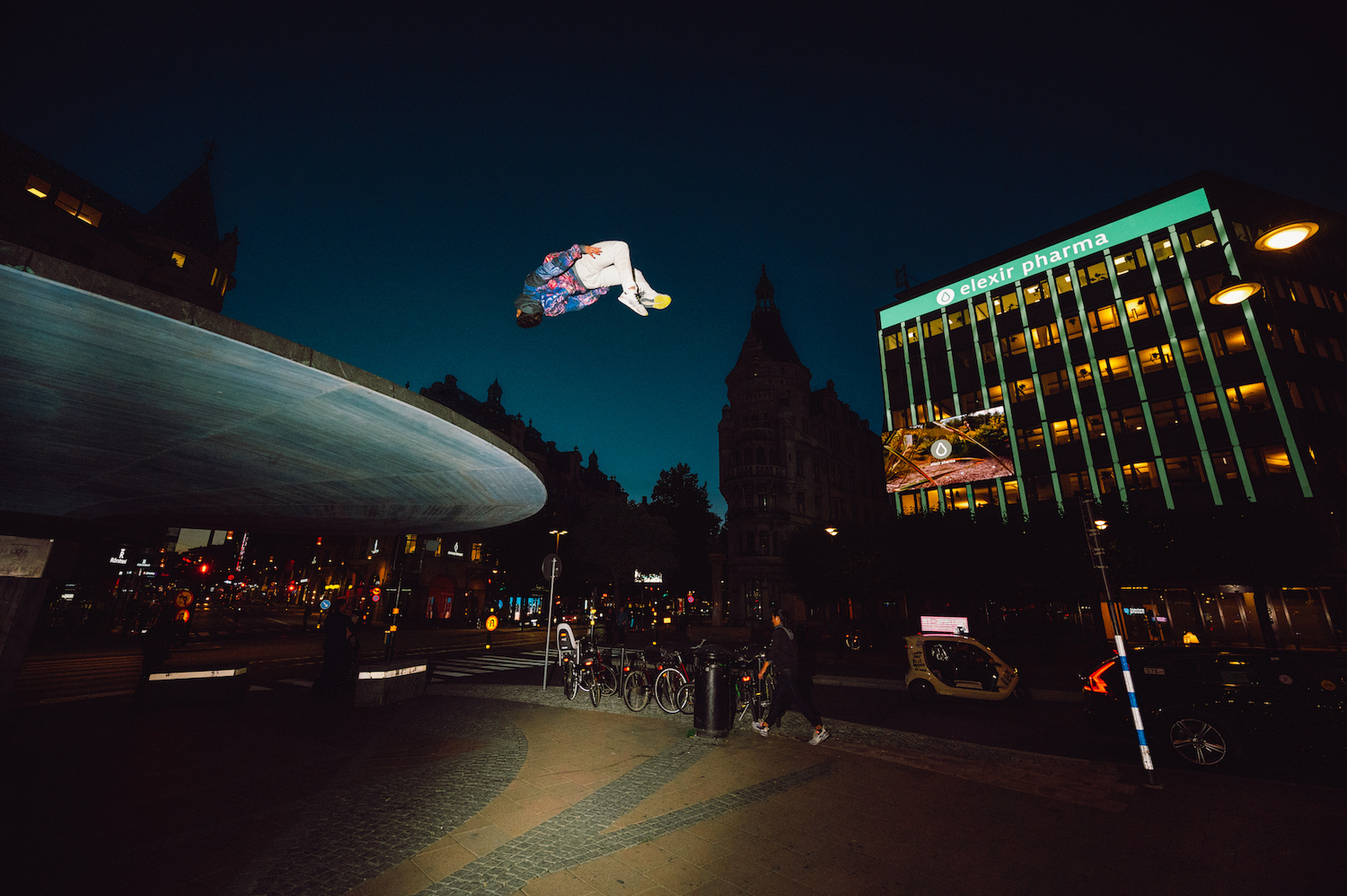
“Parkour feels like flying. Even in Gaza, it gave me a rare sense of freedom. When I train, all my worries disappear. My only focus is landing the next jump or mastering a new trick. Parkour became more than a sport—it became a way of life.”

Since then, parkour has been at the center of Matar’s life. He spent countless hours training with his team, constantly learning new skills and techniques. His family often worried about his safety, knowing the risks involved, especially in Gaza.

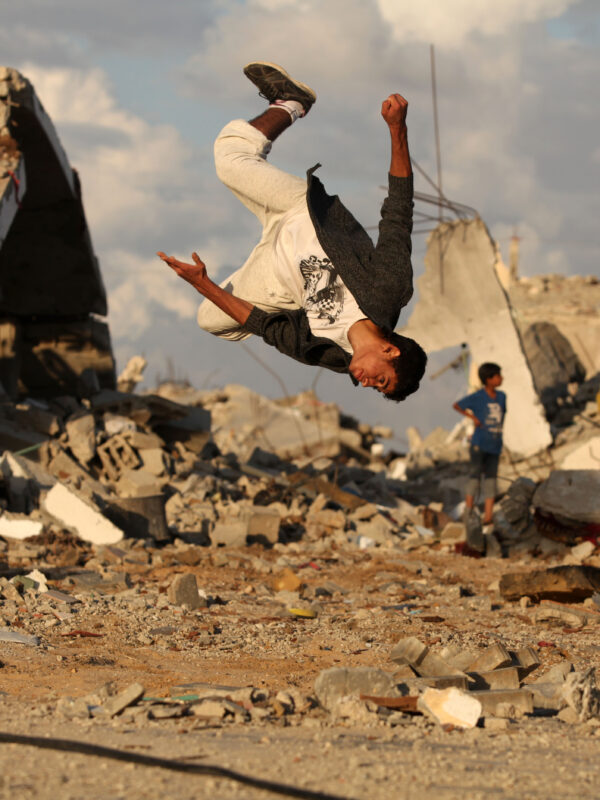
With no dedicated training facilities, the team practiced wherever they could, including cemeteries and the ruins of damaged buildings. They also faced restrictions from local authorities, who often misunderstood the sport.

The journey was never easy. Parkour was often seen as dangerous, and the team had no proper equipment or training space. Despite the challenges of war, destruction, and everyday life in Gaza, Matar and his team remained committed to their passion, helping build a parkour community that continues to inspire others.
Journey 

Since childhood, Matar dreamed of traveling beyond Gaza. He began sharing videos of his parkour training on Facebook, where they quickly gained attention and support from viewers around the world. Encouraged by the positive response, he trained with the goal of competing internationally, hoping parkour would open new opportunities. As his videos reached a global audience, he and his PK Gaza team received invitations to perform abroad, including an invitation to Arabs Got Talent. Unfortunately, travel restrictions prevented them from attending.

Traveling from Gaza has always been extremely difficult. With Egypt serving as the only gateway for international travel and border crossings opening only occasionally, opportunities to leave were rare. Matar was once invited to compete in the Red Bull Challenge in China and had already secured his visa, but the border closure prevented him from making the trip.

In 2016, the World Freerunning Parkour Federation (WFPF) invited Matar to compete in the WFPF Challenge in the United States. However, obtaining a U.S. visa required permits to leave Gaza through the Erez Crossing, permits that often took weeks to process with no guarantee of approval. He also received several invitations from Italy’s Krap Gym, but his visa applications were repeatedly denied without explanation.

Despite receiving international recognition and invitations from around the world, Matar’s journey has been defined not only by his talent, but also by the barriers that have repeatedly prevented him from reaching the global stage.

The Dream BecameTrue​

In October 2016, Matar’s journey took a fortunate turn when he applied for a visa to Sweden. Marcus Zykren from the Air Wipp Academy had invited him to participate in the Air Wipp Challenge, and with the support of friends in Sweden, he received his visa after only two weeks. However, the Rafah crossing was closed, creating uncertainty about whether he could leave. Fortunately, the crossing reopened unexpectedly, and he rushed to join the long list of over 30,000 travelers awaiting passage. It seemed unlikely that he would make it through in time, but after contacting local sports officials in Gaza and explaining the situation, they arranged a special pass for him.

Upon arriving in Egypt, however, another hurdle appeared: his visa was still a week from being valid. Egyptian authorities allowed him one option—to go directly to the airport and wait out the remaining week. Instead of free movement, he found himself detained at the airport, confined with other travelers facing various issues. His phone and belongings were taken, leaving him isolated and unable to communicate with anyone. The week was challenging, testing his patience and resilience. Finally, the waiting period ended, and he was able to board his flight.

Flying for the first time filled him with immense joy; his dream of traveling had finally come true. Arriving in Sweden, he went straight to the Air Wipp Challenge, where he met many skilled athletes and old friends from PK Gaza, including Mohamed AlJakhbir, Mohamed Zaqout, and Abdallah Inshasi, who had previously left Gaza. After the competition, he traveled to Italy, a long-held dream, thanks to arrangements made by friends there.

This experience marked a turning point, as one by one, Matar’s dreams began coming true, fulfilling a lifelong vision that had once seemed out of reach.

The Journey Continues​

Reflecting on his new life in Sweden, Matar expressed disbelief at how much had changed within a few days of leaving Gaza. “Every day feels like a dream,” he shared. Happiness and a newfound freedom replaced the struggle of his former environment. He had come to Sweden for a competition, but once there, he realized he wanted to stay. Recognizing the limited future for parkour athletes in Gaza—where sponsorships, opportunities, and support were scarce, Matar made the difficult decision to remain abroad, even if it meant being away from his family.

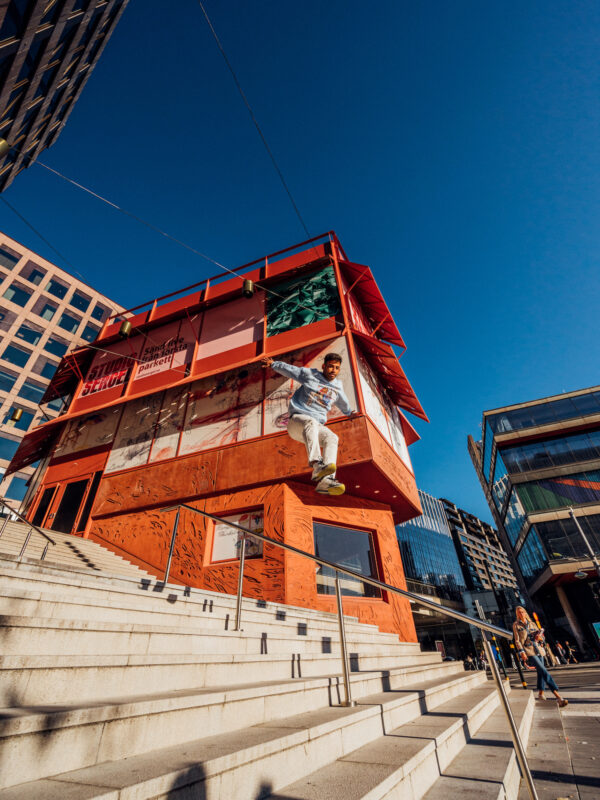
In Sweden, he quickly found opportunities to share his passion. He began running parkour workshops across various cities, including Gothenburg, coaching young enthusiasts eager to learn. Competing, along with partnerships with brands like Volvo and Red Bull, allowed him to support his new life. Eventually, he received a dream job offer to work full-time with a Swedish company, visiting schools around Stockholm to inspire students through parkour.

Teaching came naturally, drawing on his experience as a self-taught athlete from his youth in Gaza. Matar was thrilled to see how quickly his students learned, achieving in months what had taken him years. 

“Here, I can work, I can train in a safe place, and I can travel freely,” he said. The freedom to pursue his passion without barriers, in contrast to Gaza’s constraints, transformed his life. Although he couldn’t yet visit his family, Matar held onto hope. “Nothing is impossible,” he reminded himself, confident that one day they would reunite.